How Long Does Tile Installation Take?
Almost every tile project takes longer than the tile-setting itself suggests, because the schedule is built around waiting for materials to cure. Here is what the days are actually spent on.
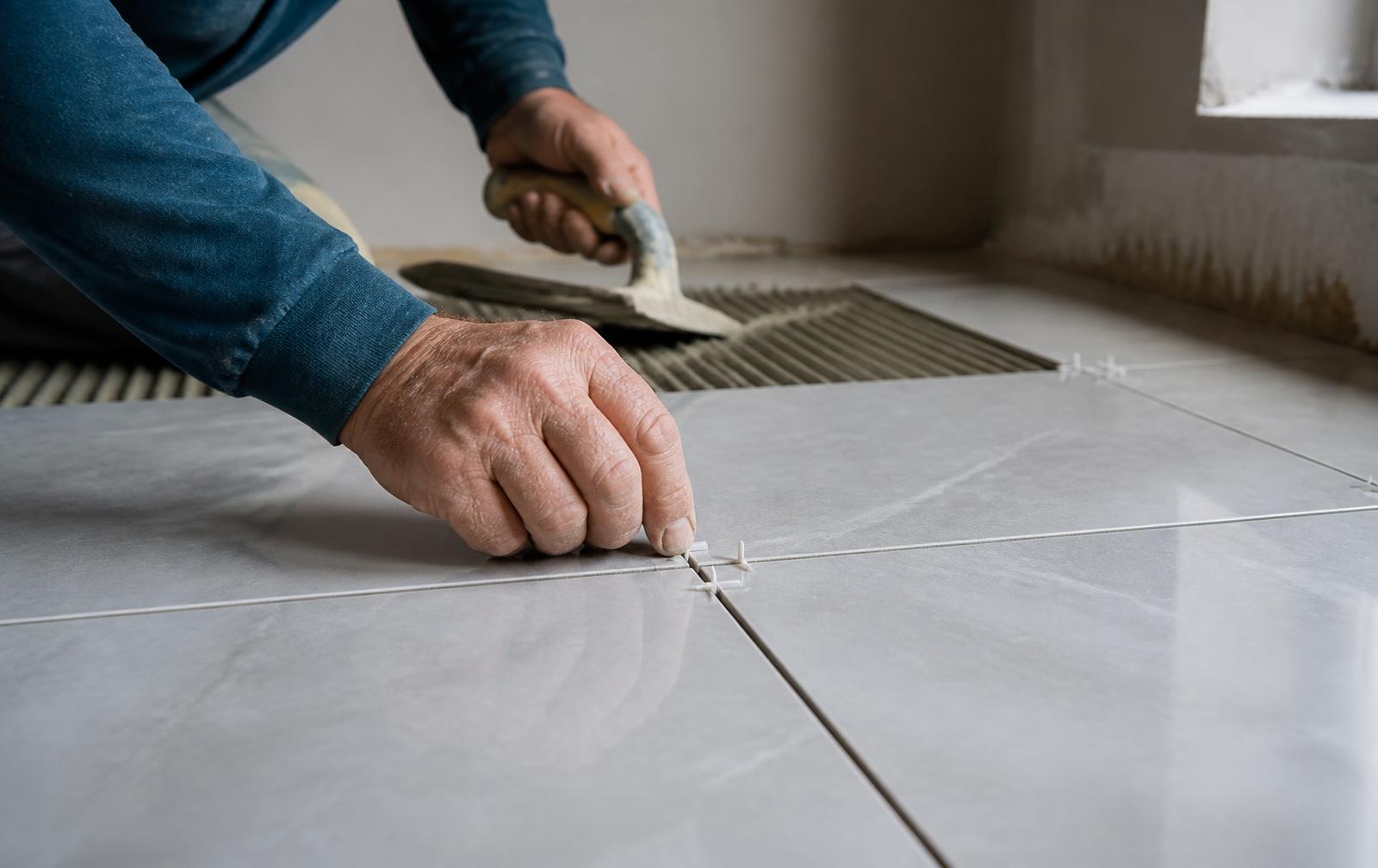
The phases of a tile project
A tile job is a sequence, and several steps in it are simply waiting. That is not padding — skipping a cure is one of the most common causes of failure later.
- Step 1
Preparation and protection
Covering floors and furnishings, setting up containment and staging materials.
- Step 2
Demolition and removal
Taking out old flooring, an old shower, or an existing backsplash, plus hauling it away.
- Step 3
Substrate work
Repairs, backer board, leveling compound, membranes. The most variable phase, because it depends on what demolition reveals.
- Step 4
Waterproofing
In showers and wet areas, applied and given time to cure before tile goes on.
- Step 5
Layout
Establishing reference lines and dry-fitting so cuts land where they should.
- Step 6
Setting tile
The part people picture. Usually the shortest phase on small jobs.
- Step 7
Curing before grout
A required wait, commonly around a day, before the joints can be filled.
- Step 8
Grouting and sealant
Grouting, cleaning the surface, then flexible sealant at corners and changes of plane.
- Step 9
Final cure and cleanup
Before traffic, before water, before furniture. Varies by product and conditions.
Rough expectations by project
These are planning ranges, not commitments. A written schedule from the person doing the work is the only reliable answer, and it depends heavily on prep.
- Kitchen backsplash — often one to two days of work, mostly because grouting waits for the setting mortar. Removing an old backsplash and repairing drywall adds time.
- Small bathroom floor — commonly two to three days including prep, curing and resetting the toilet.
- Larger floor areas — several days to a week or more, driven mainly by leveling requirements and cut count rather than square footage alone.
- Full custom shower — usually the longest residential tile project. Demolition, framing or substrate repairs, waterproofing with its own cure, pan work, tile, grout and sealant each occupy time, and glass is typically ordered after tile is complete.
- Tile repair — often a single short visit, but frequently split across two because grouting waits a day.
What adds days
- Substrate problems found during demolition — the single biggest factor.
- Water damage in a shower wall or floor.
- Floor leveling, especially for large-format tile.
- Tile that is backordered, arrives damaged, or arrives short.
- Intricate patterns, mosaics and multiple accent areas.
- Coordinating plumbing, electrical or shower glass with another trade.
- High humidity slowing cure times.
- Working in an occupied home, which limits how much can be torn up at once.
Planning a project? The step-by-step project guide covers the sequence, and the cost guide covers what drives the budget.
Timeline questions
Ready to get a tile estimate?
Share the space, the type of tile work and your rough timeline. We will review the details and, when appropriate, a local tile professional can reach out to talk through the project.
Request an Estimate